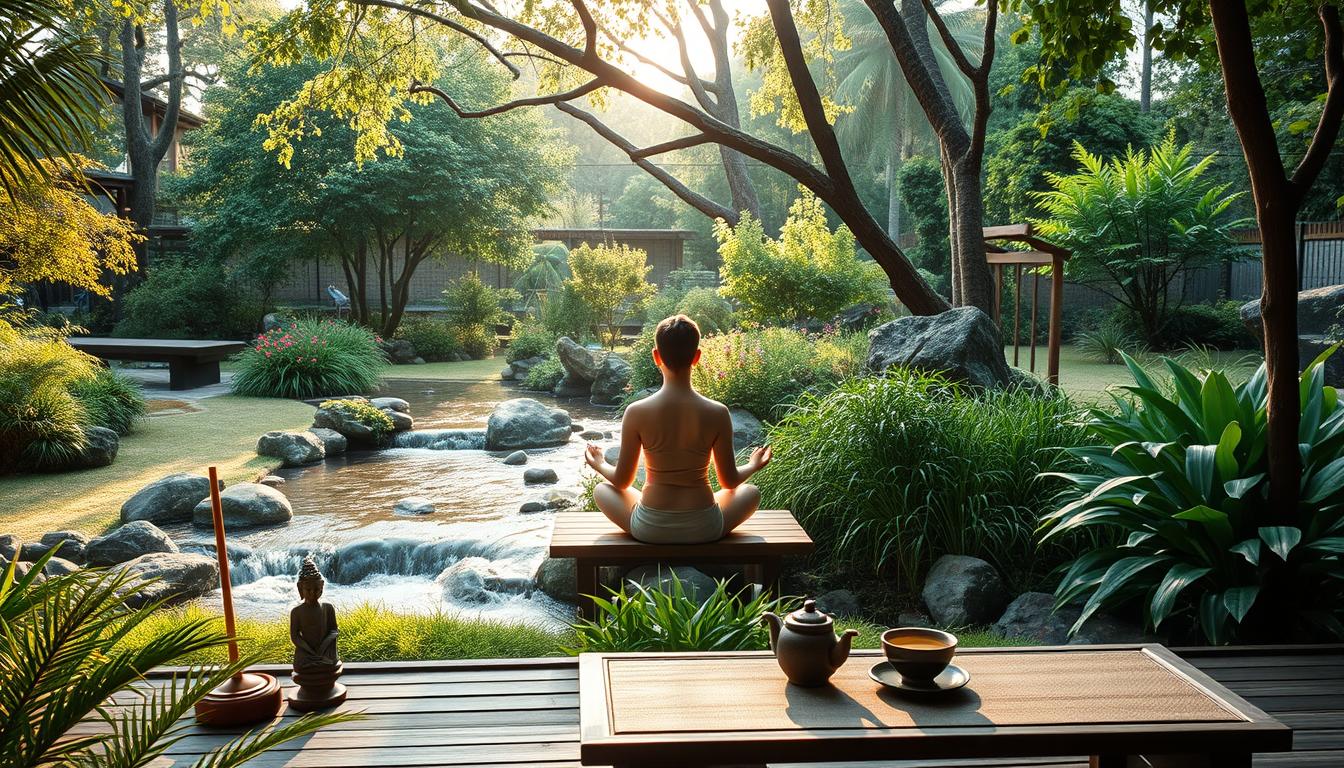
In today’s fast world, finding balance is tough. This article shares 10 mindfulness and wellness habits to help you focus on your mental health and cut down stress. These practices are easy to start and can make a big difference in your life. They’re simple to add to your daily routine, helping you build habits that boost your emotional strength and peace.
Key Takeaways
- Explore 10 science-backed mindfulness practices to improve mental well-being and reduce stress.
- Discover actionable wellness habits like mindful eating and breathing that support a balanced life.
- Adapt these practices to fit your unique schedule and experience level, from beginner to advanced.
- Learn how consistent mindfulness routines can lead to long-term improvements in mental health.
- Gain practical steps to integrate these strategies into daily life without disrupting existing habits.
Embracing Mindfulness and Wellness in Today’s Fast-Paced World
Life today is fast, with screens and deadlines everywhere. Wellness is not a luxury but a must for living well. Mindfulness helps us stay present, turning chaos into calm.
Why Balance Matters in Modern Life
Work-life balance is about energy, not just time. Too much stress weakens our health and focus. Mindfulness helps us take back control.
Simple techniques, like taking breaks, can reset us. This balance is key to lasting success, not selfishness.
The Science Behind Mindfulness and Wellness
“Mindfulness practices physically reshape the brain, boosting areas linked to empathy and self-control while shrinking stress-response regions.”
Studies show mindfulness meditation grows brain areas for memory and emotions. It also lowers blood pressure and inflammation. Just 10 minutes a day can make a big difference.
How These Practices Transform Your Daily Experience
- Focus: Reduced mental clutter sharpens productivity.
- Relationships: Active listening deepens connections.
- Energy: Mindful breathing breaks cycles of burnout.
Small steps lead to big changes. Starting with a morning gratitude or a walk can change how we face challenges. These practices help us live fully, not just survive.
Daily Meditation: The Foundation of Mental Clarity
Even a few minutes of beginner meditation each day can sharpen focus and calm the mind. This section breaks down how to start, adapt, and grow your practice without pressure. Science shows that consistent daily meditation practice strengthens emotional resilience and mental clarity, making it the perfect gateway to deeper wellness.
Getting Started with a 5-Minute Meditation Practice
Begin with 5 minutes daily. Follow these steps:
- Find a quiet spot, sit comfortably, and close your eyes.
- Breathe naturally, counting each exhale to anchor focus.
- When distracted, gently return attention to your breath—no judgment required.
Different Meditation Styles for Different Personalities
Experiment with these approaches to find what resonates:
- Movement-Based: Try walking or yoga-based meditation techniques for active thinkers.
- Visualization: Picture calming scenes to quiet an overactive mind.
- Mantra: Repeat a meaningful word or phrase to anchor focus.
- Mindfulness meditation: Observe sensations without analysis—ideal for introspective personalities.
Overcoming Common Meditation Challenges
Racing thoughts? Physical discomfort? These solutions help:
- Thoughts: Acknowledge them like passing clouds, then return to breath.
- Discomfort: Adjust posture or try a seated cushion for support.
- Inconsistency: Pair meditation with a daily routine, like morning coffee prep.
Building a Sustainable Meditation Habit
Use these strategies to make meditation a routine:
- Start with 5 minutes and add 1 minute weekly.
- Pair it with an existing habit (e.g., after brushing your teeth).
- Track progress with a calendar or app to see growth.
Progress comes from consistency, not perfection. Every session nurtures meditation benefits like reduced stress and better focus.
-Tools to Enhance Your Meditation Practice-
- Meditation Cushion or Chair: Provides the comfort needed for prolonged meditation sessions, enhancing focus and posture.
- Essential Oil Diffuser: Creates a calming environment with soothing aromas such as lavender or eucalyptus to enhance meditation.
- Meditation App Subscription: This offers guided meditations suitable for beginners and advanced users.
Mindful Movement Through Yoga and Stretching
Mindful movement connects physical health with mental clarity. Gentle yoga and mindful stretching link breath with slow, intentional movements. These practices help even beginners feel less stressed, more focused, and emotionally balanced.
Studies show that movement meditation calms the nervous system better than stillness. Simple actions like cat-cow or seated twists help relax muscles and thoughts. You don’t need a yoga studio; these practices work anywhere.
“Movement is a language that the body understands before the mind.”
- Try 3–5 minutes of mindful stretching at your desk: reach arms overhead, side-bend gently, and breathe deeply.
- End days with a 10-minute gentle yoga sequence to unwind before bed.
- Turn chores into movement meditation: focus on the rhythm of walking, washing dishes, or folding laundry.

Every stretch is a chance to reset. You’re training your brain when you focus on your feet in downward dog or the warmth in your calves in standing forward fold. These yoga benefits don’t need perfection, just curiosity. Let each breath anchor you, making daily motions mindful rituals.
-Essential Elements of Mindful Movement-
- Yoga Mat: A supportive, non-slip surface essential for safe and effective yoga or mindful stretching practices.
- Yoga Blocks: Help adjust poses for comfort and alignment, ideal for beginners and advanced practitioners.
- Resistance Bands: Aid in building strength during mindful movement exercises like yoga and pilates.
The Power of Conscious Breathing Techniques

Your breath can change your mood instantly. Unlike meditation apps or yoga mats, breathwork techniques need only your attention. They open doors to calm and focus, available anytime, anywhere.
Box Breathing for Immediate Stress Relief
The box breathing method is a simple four-part rhythm. Inhale for four counts, hold, exhale for four, and hold again. This method, used by Navy SEALs, calms your body in 90 seconds. Try it before a meeting or during traffic to clear your mind.
Diaphragmatic Breathing for Energy and Focus
Diaphragmatic breathing brings deeper oxygen into your body. Place one hand on your chest and the other on your belly. Breathe so the lower hand rises first. This method sharpens focus and reduces fatigue, lowering cortisol levels.
Incorporating Breathwork Throughout Your Day
Make routines mindful with these tips:
- Set 3 daily reminders to do 2-minute breathing exercises (lunch breaks, bathroom visits, or before replying to emails).
- Pair breath cycles with physical actions—like exhaling slowly while washing hands or stepping into a room.
- Use breath patterns during repetitive tasks (e.g., counting breaths while folding laundry).
A school counselor found that teaching box breathing reduced classroom anxiety by 40%. Your breath is a compass guiding you back to balance.
-Breathwork and Relaxation Enhancements-
- Breathing Exercise App: Provides guided breathing techniques to promote relaxation and reduce stress.
- Weighted Blanket: Offers gentle pressure to encourage relaxation and deepen breathwork experiences.
- Sound Machine with Nature Sounds: Enhances focus during breathing exercises or meditation by creating a serene atmosphere.
Digital Detox: Creating Healthy Boundaries with Technology
Modern life is filled with constant notifications and endless scrolling. But true digital wellness comes from making intentional choices. Start by checking your tech habits: Which apps make you happy? Which ones make you feel drained?
Ask yourself, “Does this align with my values?” This digital minimalism approach focuses on quality over quantity. It turns screens into tools, not rulers.

“Technology is best when it supports life, not consumes it.” – Cal Newport, Digital Minimalism
Start with small steps: Set a screen time management curfew by turning off devices after 8 PM. Make tech-free zones like your bedroom or dinner table. This protects special moments.
Use tools like app limits and grayscale filters to cut down on compulsive use. These tech boundaries help you focus without cutting you off from the world.
- Replace mindless scrolling with 10 minutes of offline drawing or journaling
- Batch-check emails twice daily instead of constant pings
- Use a physical alarm clock to avoid phone bedside temptations
Mindful technology use becomes natural when you watch your patterns without judgment. Notice how apps grab your attention—then pick better options. Every choice you make strengthens your control.
Let your devices serve your life, not the other way around. Freedom grows when you use tech with purpose.
-Tech-Free Living: Tools and Strategies for a Successful Digital Detox-
- Physical Alarm Clock: Helps eliminate the need for phones by the bedside, reducing screen time before sleep and promoting better sleep hygiene.
- Screen Time Management App: Assists in setting limits on app usage and tracking time spent on devices to foster mindful technology use.
- Grayscale Screen Filter: These can be set on devices to reduce the visual stimulation of screens, minimizing the allure of mindless scrolling.
- Digital Detox Journal: A journal specifically designed to reflect on digital usage habits and track improvements, fostering awareness and deliberate digital time.
- Offline Activity Kits: Products like puzzle sets or drawing kits to encourage engaging in offline activities during typical screen time.
Nourishing Your Body: Mindful Eating Practices
Change how you see food by adding mindful eating to your routine. It turns meals into special times. Mindful eating helps you eat on purpose, not out of habit. This way, you choose food that really nourishes your body, leading to better, healthy eating patterns.

The Ritual of Preparing Food with Intention
Start by making meal prep a calm activity. Pick fresh ingredients with care, showing you listen to your body. Here’s how:
- Plan meals that make you feel good.
- Slowly chop veggies, noticing their colors and textures.
- Play soft music to help you stay focused.
Slow Eating and Full Sensory Awareness
Use all your senses when eating. Follow this 5-step guide:
- Sight: Look at your food’s colors and how it’s arranged.
- Smell: Breathe in the smells before you eat.
- Taste: Chew well to enjoy every flavor.
- Touch: Feel the texture of each food.
- Sound: Listen to the sounds of eating, like crunching.
“Food is fuel, but it’s also a bridge to gratitude and presence.”
Breaking Unhealthy Eating Patterns Through Mindfulness
Find out why you eat when you’re not hungry. Ask yourself, “Am I hungry or just seeking comfort?” Use this table to change your habits:
| Common Triggers | Mindful Responses |
|---|---|
| Emotional cravings | Pause and write down your feelings before eating |
| Distractions (TV, phones) | Make a “meal zone” where screens are not allowed |
Small changes like these can make eating more mindful every day. This leads to lasting changes in how you eat.
-Mindful Dining Essentials: Products to Enhance Your Eating Experience-
- Meal Prep Containers: High-quality, reusable containers that encourage planning meals ahead with intention, helping to maintain portions and freshness.
- Herb Growing Kit: Allows users to cultivate fresh herbs at home, adding a mindful element to meal preparation with fresh ingredients.
- Mindful Eating Prompt Cards: Cards featuring questions or prompts to guide mindfulness before and during meals, helping to focus attention and intention while eating.
- Ceramic Plate Set: Beautifully designed plates that encourage eating slowly and appreciating the visual aspect of food, turning each meal into a mindful ritual.
- Mindfulness Timer App: An app designed to encourage slow eating by timing each bite or segment of a meal, promoting an awareness of eating pace.
10 Mindfulness and Wellness Practices That Transform Your Sleep
Getting good sleep starts with making a plan. Mindfulness practices like deep breathing and guided imagery help calm your body. A regular bedtime routine tells your body it’s time to sleep.

| Practice | How It Works | Benefit |
|---|---|---|
| Bedtime routines | Fixed schedule + calming activities | Strengthens circadian rhythms |
| Relaxation techniques | Body scan meditation or progressive muscle relaxation | Reduces physiological tension |
| Morning rituals | Sunlight exposure + mindful stretching | Supports natural circadian alignment |
Try a 20-minute pre-sleep routine: dim lights, cool room, and deep breathing. If you wake up at night, use the 4-7-8 breath cycle. This helps you relax without getting upset. These steps improve your sleep by connecting your mind and body.
Writing in a journal before bed can help you let go of stress. Reflecting on things you’re grateful for can also calm your mind. Making small changes can lead to better sleep, giving you energy for other wellness activities.
-Sleep Support for Mindfulness Practices-
- White Noise Machine: Helps block out distractions, facilitating deeper relaxation and better sleep.
- Guided Sleep Meditation Audio: Provides relaxation techniques and guided imagery to improve sleep quality.
- Herbal Tea for Sleep: Calming teas with ingredients like chamomile and valerian root to aid relaxation before bed.
Journaling: Processing Emotions and Cultivating Gratitude
Journaling turns thoughts into real insights through mindful writing. It helps you see your feelings. This simple act makes you understand your life better.
From gratitude journaling to self-reflection practices, each entry helps you grow. It’s a way to know yourself better.

Different Journaling Methods for Different Goals
| Method | Purpose | Best For |
|---|---|---|
| Gratitude Journaling | Cultivates positivity by listing 3 daily blessings | Building resilience, emotional processing techniques |
| Stream-of-Consciousness | Unfiltered writing to release stress and uncover hidden insights | Emotional clarity, daily journaling |
| Future Self-Dialogue | Write letters to your future self to clarify aspirations | Self-reflection practices |
| Challenge Reframing | Redefine setbacks as growth opportunities | Mindful writing for perspective |
Specific types of journals you might consider using:
- Gratitude Journal: These are specifically designed for listing daily blessings. They often include prompts or sections to note things you are thankful for each day.
- Blank or Lined Journal: A simple, unstructured journal with plenty of space for free writing. This allows for creativity and the free flow of thoughts.
- Prompt-based Journal: Journals that provide questions or prompts can guide you in writing letters to your future self, helping maintain focus on aspirations.
- Reflective Journal: One designed with prompts or sections to help reflect on challenges and convert setbacks into growth opportunities. It generally offers space for narrative writing and reflection.
Questions That Spark Self-Discovery and Growth
- What small joy did I overlook today?
- What fear am I avoiding, and how can I confront it?
- What lesson does this challenge want to teach me?
Making Journaling a Sustainable Daily Practice
Don’t worry about being perfect. Start with just 3 minutes a day. Use apps or notebooks that fit your life.
Link journaling to your daily routines. It could be with your morning coffee or before bed. The key is to keep it up, not to make it hard.
- Try voice-to-text apps if writing feels overwhelming
- Alternate between methods weekly to keep practice fresh
Nature Connection: Harnessing the Healing Power of the Outdoors

Stepping into nature is more than a break—it’s a scientifically proven path to nature therapy. Research shows that outdoor mindfulness practices like forest bathing (shinrin-yoku) lower cortisol levels and boost immunity. Even a brief time in green spaces delivers natural stress relief by calming the nervous system.
Explore these accessible ways to reconnect:
- Practice healing outdoors with a sensory scavenger hunt—name 5 sounds, 3 scents, and 2 textures you notice.
- Walk slowly on a trail, focusing on footfall rhythms to deepen ecotherapy benefits.
- Bring nature indoors with sunlight exposure, indoor plants, or nature sounds during work breaks.
| Practice | Ecotherapy Benefits | Best Settings |
|---|---|---|
| Forest Bathing | Immune system boost | Woodlands |
| Urban Gardening | Mood enhancement | City balconies |
| River Walks | Blood pressure reduction | Waterfront paths |
“Nature does not hurry, yet everything is accomplished.” – Lao Tzu
Even 20 minutes outside daily realigns us with natural rhythms. Choose practices that fit your environment—whether hiking or tending potted herbs. Every interaction with the natural world nurtures resilience, making it a cornerstone of holistic wellness.
-Nature Connection and Outdoor Wellness Gear-
- Portable Hammock: Encourages outdoor relaxation and mindfulness through comfortable nature connection.
- Nature Journal: A space to record reflections and observations during mindful outdoor activities like forest bathing.
- Indoor Plants: Brings elements of nature indoors, helping to create a calming natural environment for everyday mindfulness.
Building a Supportive Community for Wellness
Strong wellness communities help us grow by sharing our journeys. They can be found in local meetups or online forums. Supportive relationships make us stronger and happier. Starting to build social wellness is as simple as reaching out to others who share your interests.
“A community is not a place but the memory of time spent together.”

Find Your Wellness Tribe Online and Offline
- Search local groups via Meetup or yoga studios for face-to-face mindful connections.
- Join online forums like Reddit’s r/Mindfulness or Instagram wellness pages to connect globally.
- Attend workshops or retreats to build relationships rooted in shared goals.
Embrace Vulnerability for Deeper Bonds
Being real builds trust. When you share your struggles, like with meditation, you grow together. This openness creates strong supportive relationships based on understanding.
Protect Your Energy Through Healthy Boundaries
Setting healthy boundaries is caring for yourself. It’s okay to step away from negative situations. Say, “I need space to recharge,” to keep your energy up without feeling guilty.
Find the right balance in social wellness by choosing communities that match your values. True connections grow when you care for both your relationships and your alone time.
Compassion Practice: Extending Kindness to Yourself and Others

Compassion turns mindfulness into a real practice. Self-compassion techniques help us stay strong when things get tough. Start with loving-kindness meditation: sit quietly and say phrases like “May I be safe, may I be kind to myself.” This compassionate practice changes our inner critic into a supportive voice.
Studies show people using these methods have 40% less stress and 25% more emotional well-being (Harvard Business Review, 2023).
“Self-compassion is the emotional empathy development we deny ourselves most.” – Kristin Neff, self-compassion pioneer
Start small: Replace criticism with curiosity. Ask “What do I need right now?” instead of “Why did I fail?” Mindful self-care includes physical touchstones like placing a hand on your heart during stress. Extend this kindness outward by volunteering or listening deeply to others.
Research shows that communities practicing empathy together build stronger connections and problem-solving skills.
- Pause before judging—ask, “What pain underlies this situation?”
- Write a letter forgiving yourself for past missteps
- Practice loving-kindness for a challenging coworker or family member
Compassion isn’t weakness—it’s the courage to face imperfection with curiosity. By integrating these practices, you create a foundation where growth flows from kindness, not fear. Every small act of care plants seeds for lasting transformation.
Conclusion: Integrating Mindfulness and Wellness into Your Everyday Life
Exploring mindfulness and wellness shows us that a balanced lifestyle comes from blending these practices into our daily lives. By adding mindfulness integration to our routines, we can live more mindfully and sustainably.
Adapting to different life stages with various practices helps us stay committed to our wellness journey. Finding your minimum viable practice keeps you focused, even when life gets busy.
Combining these practices leads to a powerful synergy. This synergy boosts each area, creating a momentum that drives us forward. Remember, it’s about progress, not perfection. Celebrate every small win.
With regular practice, you’ll see the benefits grow over time. This will motivate you to deepen your mindfulness and wellness journey. Embracing mindfulness for life prepares you to face challenges with clarity, compassion, and strength.
FAQ
What are mindfulness and wellness practices?
Mindfulness and wellness practices help you stay aware and calm. They include meditation, yoga, and mindful eating. These habits aim to balance your life in today’s busy world.
How do I start a meditation practice?
Start meditating by setting aside five minutes a day. Find a quiet spot, sit comfortably, and focus on your breath. As you get better, try different meditation styles to find what works for you.
What are some benefits of yoga and mindful movement?
Yoga and mindful movement improve your body and mind. They boost flexibility, strength, and mental clarity. They also help reduce stress and balance your emotions. You can start at any fitness level.
How can I incorporate mindfulness into my daily routine?
To add mindfulness to your day, practice conscious breathing and take mindful breaks. Try mindful eating, too. Make sure to set aside time for these activities to make them a regular part of your life.
What is ‘digital nutrition’?
Digital nutrition means being mindful of what you see online. It’s about making smart choices about your digital activities. This includes doing a digital audit, setting tech-free zones, and managing notifications to protect your mind.
How does mindful eating change my relationship with food?
Mindful eating makes meals a time to connect with your senses and feelings. It helps you understand your eating habits and make healthier choices. This way, you enjoy your meals more.
What are some effective breathing techniques for stress relief?
Box breathing and diaphragmatic breathing are great for stress. Box breathing helps right away, while diaphragmatic breathing boosts energy and focus. Using these techniques daily can help you manage stress better.
Can journaling help with personal growth?
Yes, journaling is a powerful tool for growth. It helps you reflect, process emotions, and understand your thoughts. Different journaling methods can lead to self-discovery and gratitude.
How can nature connection improve my well-being?
Being in nature, like forest bathing, lowers stress and improves health. It helps you feel grounded and peaceful. Nature is a great way to rejuvenate.
What is the importance of building a supportive community for wellness?
A supportive community boosts your wellness by offering encouragement and shared experiences. It celebrates your growth and helps you connect with others. This community supports your wellness journey.
How does compassion practice enhance mindfulness?
Compassion practice adds depth to mindfulness by accepting imperfection and promoting self-kindness. It helps you grow authentically and be kind to others. This creates a supportive space for emotional healing.